Rowhouse City
Keynote Speaker
University of Pennsylvania, Weitzman School of Design
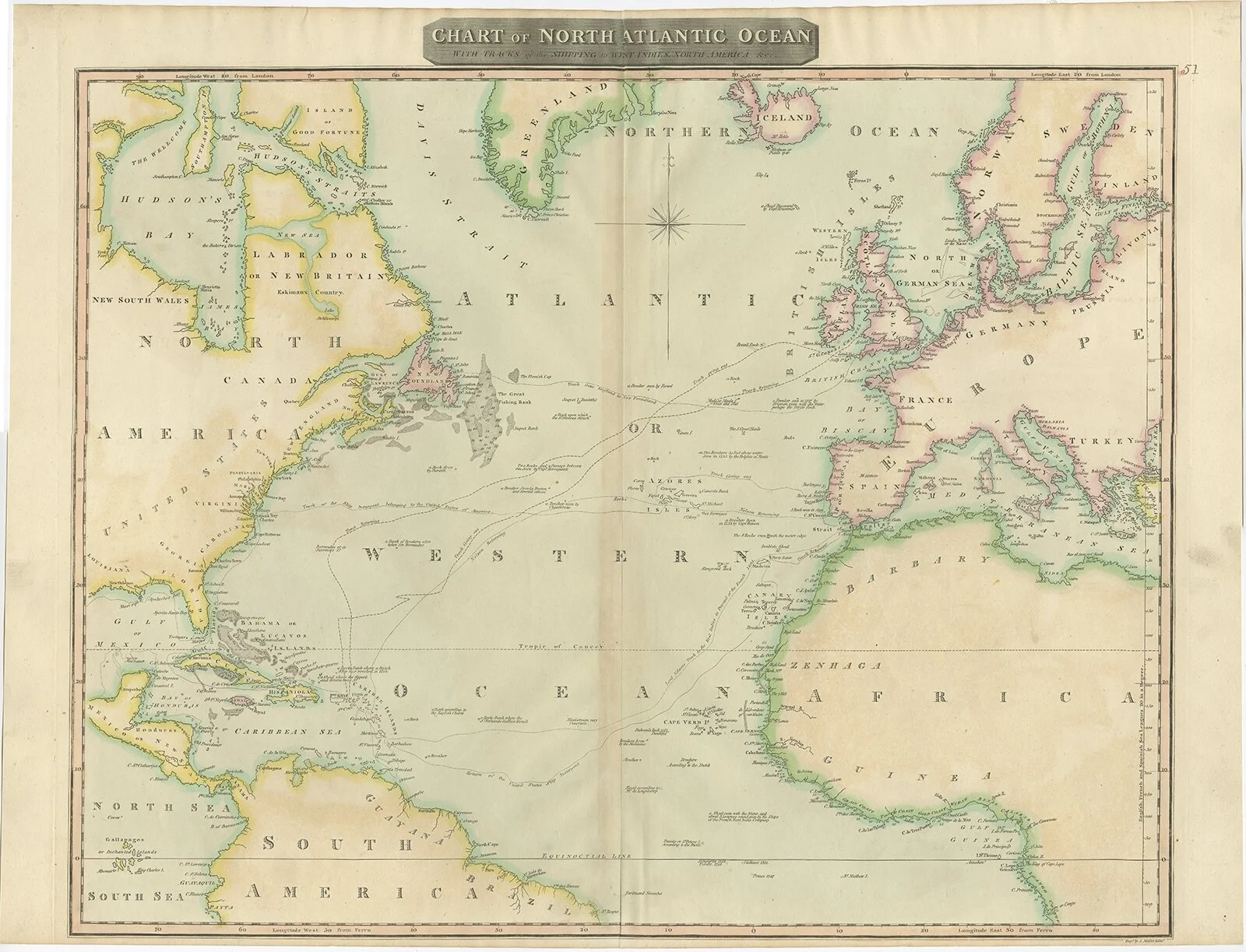
“The North Atlantic Cities: An International Region of Architecture and City Design With its Centers in London, Amsterdam, and Philadelphia”
Keynote Speaker
University of Pennsylvania, Weitzman School of Design
“The North Atlantic Cities: An International Region of Architecture and City Design With its Centers in London, Amsterdam, and Philadelphia”
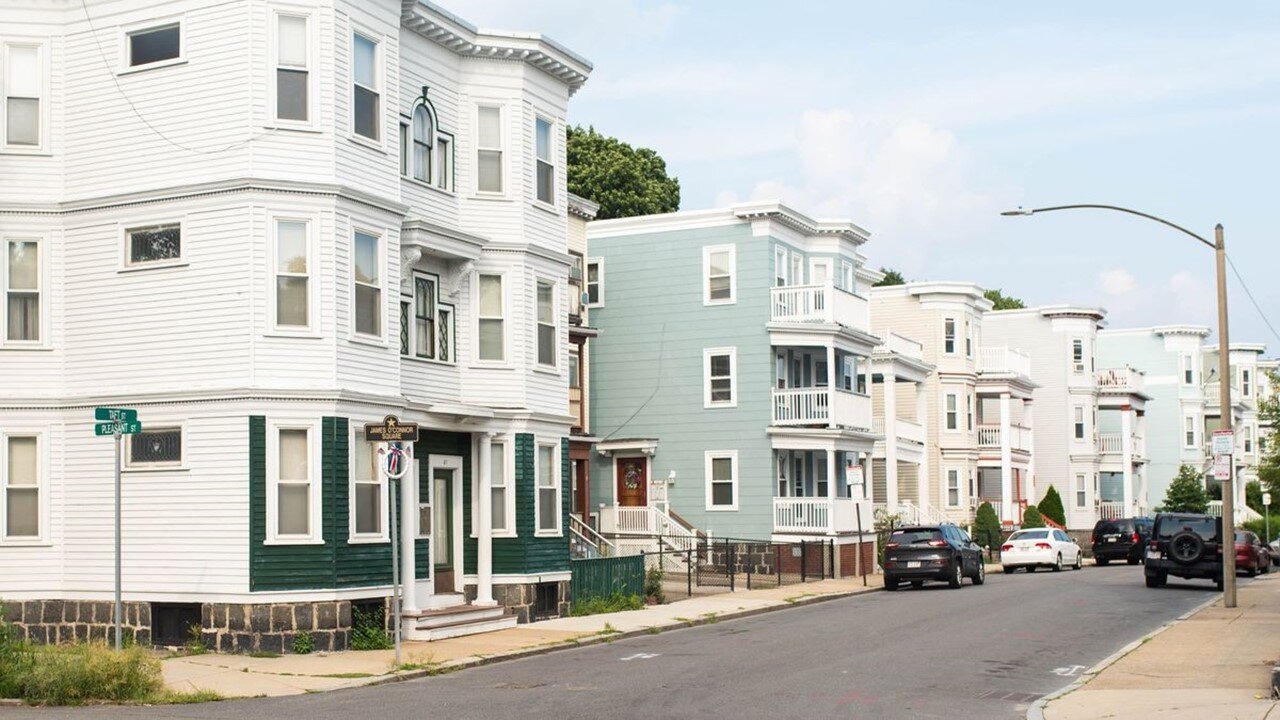
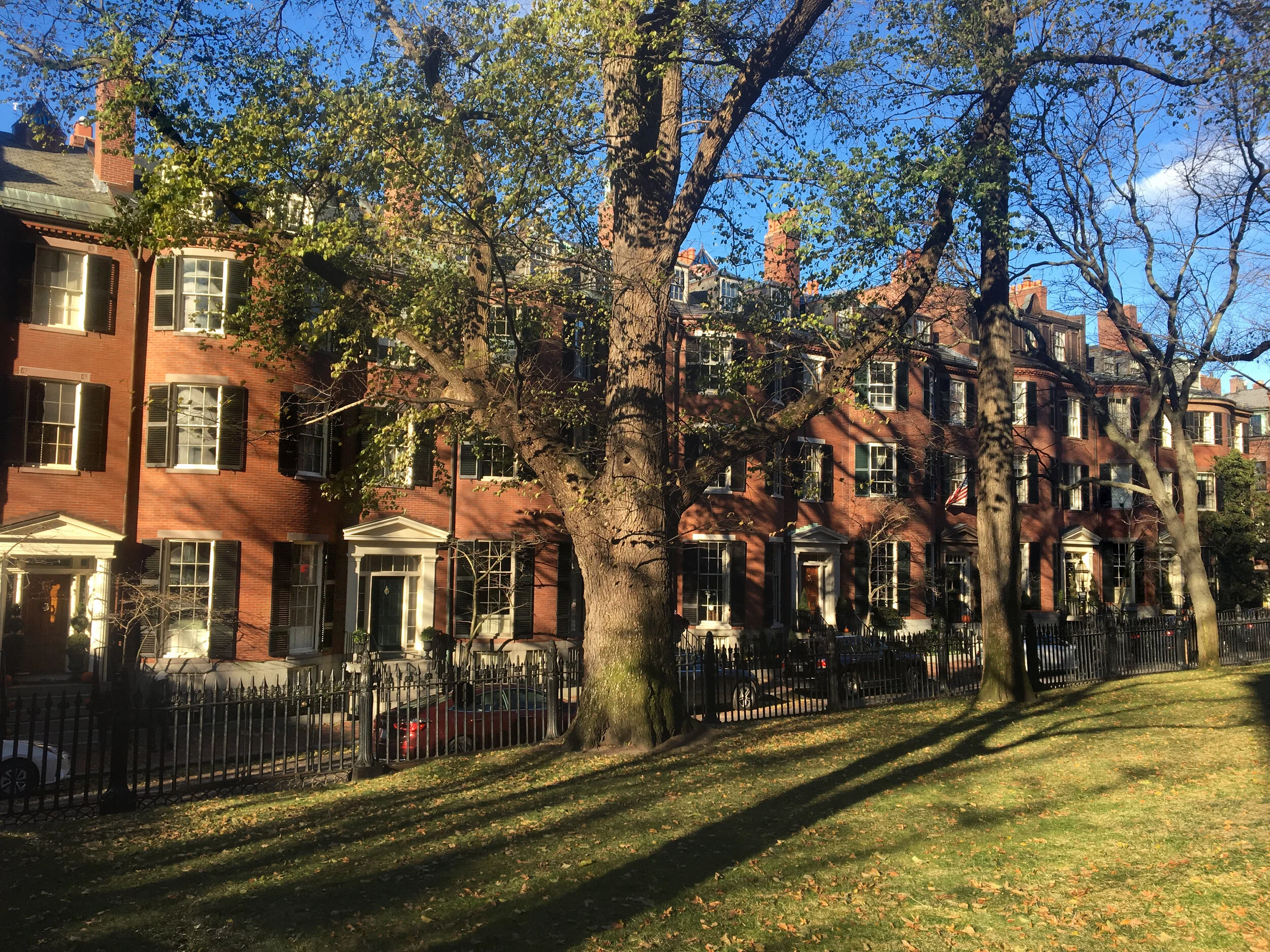
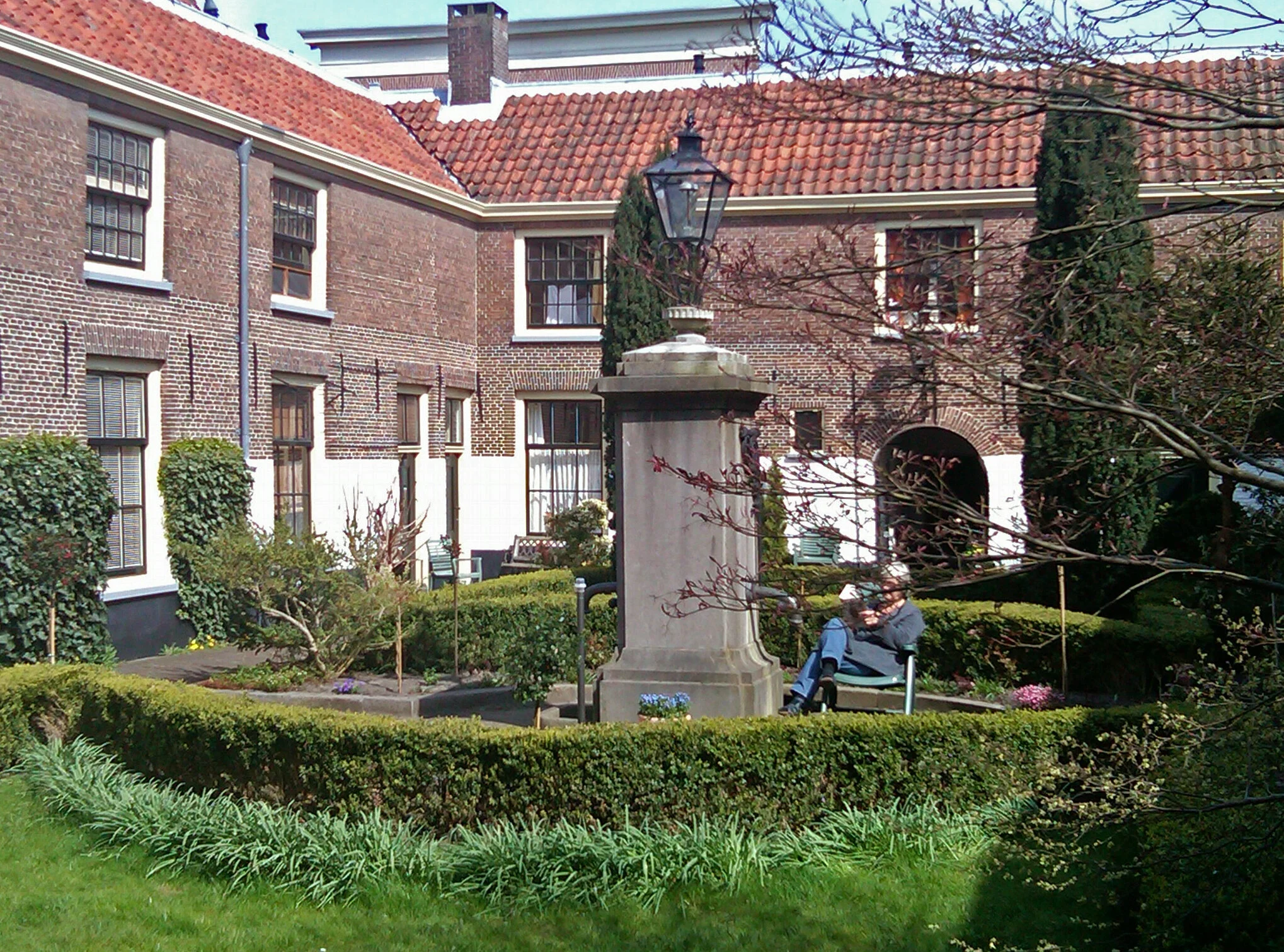
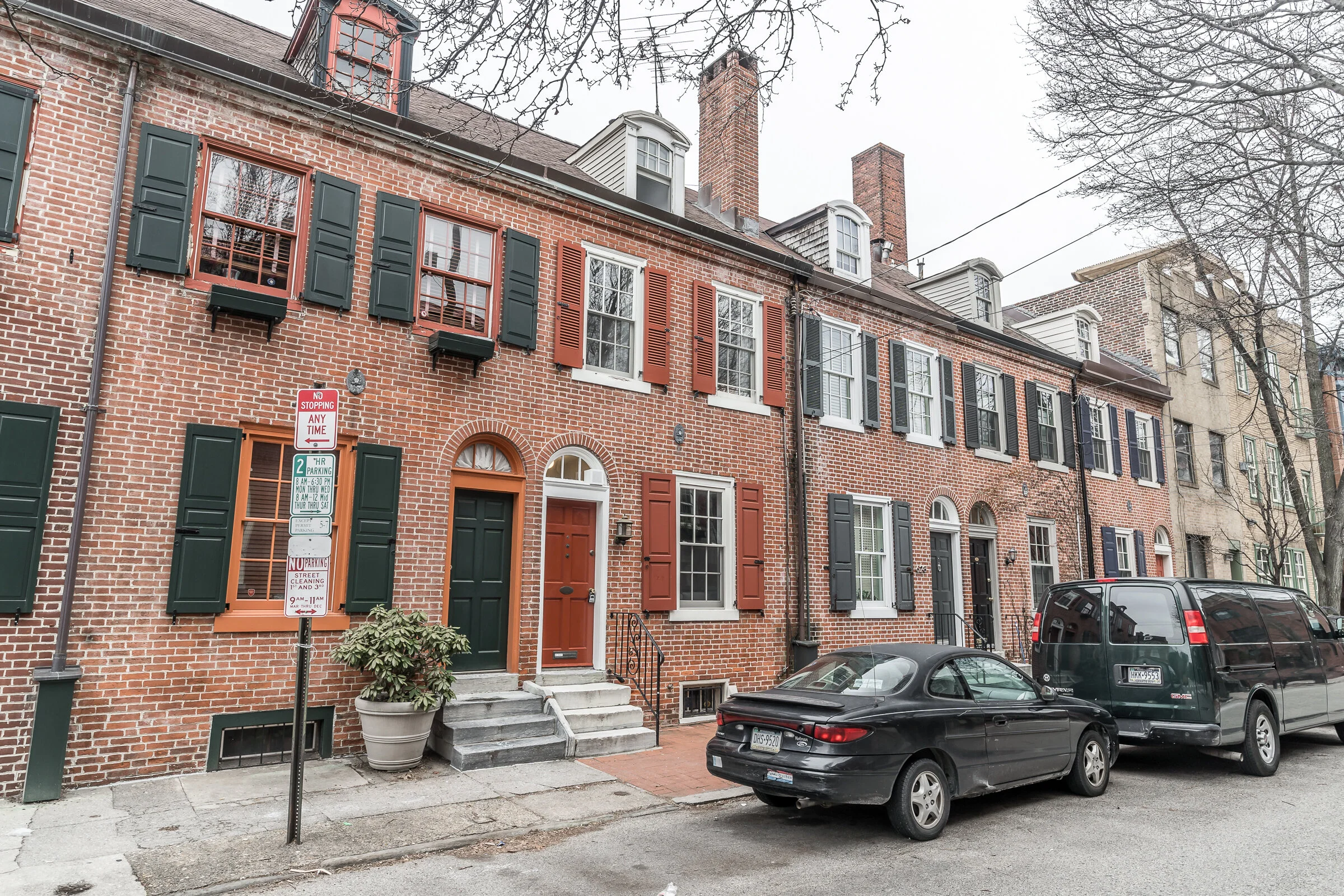
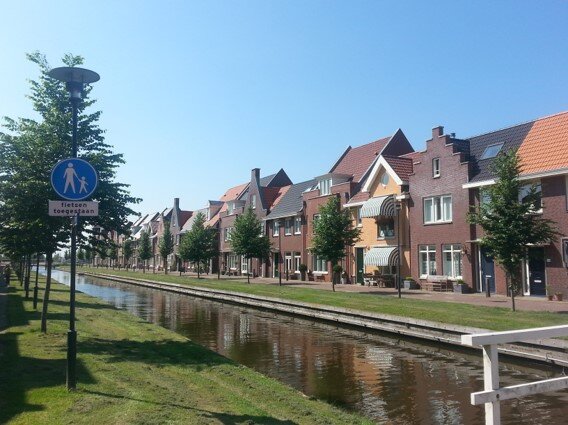
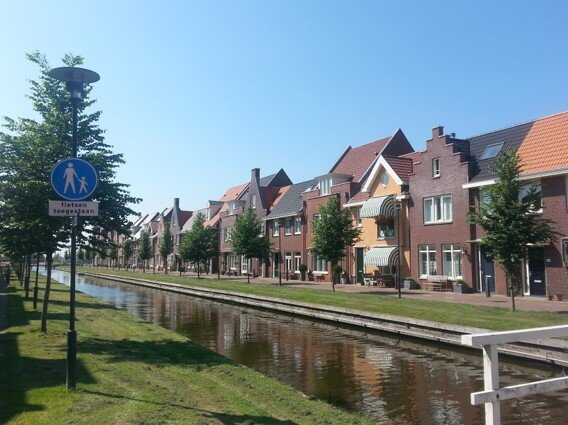
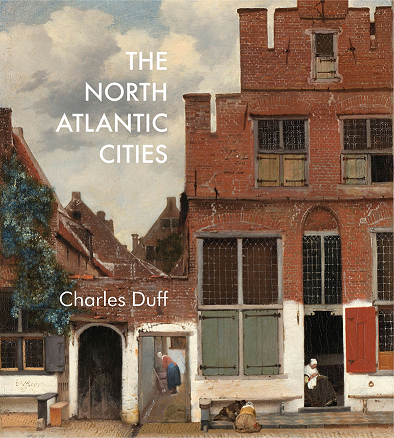
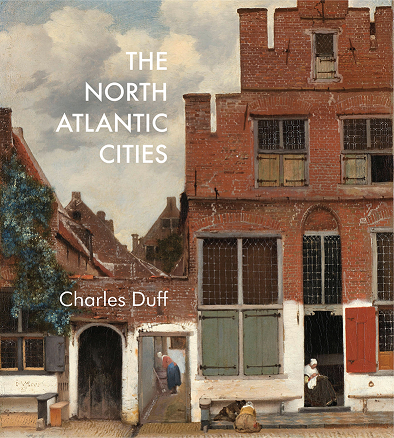
Join a talk with Charles Duff, author of The North Atlantic Cities. Richmond is a part of a family of cities in the North Atlantic including Amsterdam and London. These places started as cities of row houses, unlike the apartment house cities of Continental Europe and the suburban areas of Continental North America. Charles Duff will show how these cities came to be, how they grew and evolved, how they have overcome crises, and where Richmond fits into the family.
PODCAST AVAILABLE
What can we learn from the North Atlantic cities? Modern townhouse design allows the right balance of density to live a good life without a car, be able to have enough space for your family, and to have some neighbors but not too many. Charles Duff shares his thoughts about how a small firm architect can take an active role in the way that the public thinks about the built environment.
Row houses, brownstones, townhouses -- this residence of many names can be found in cities up and down the eastern seaboard, as well as internationally. These common sites, rarely given a second thought by city dwellers, have a deeper history behind them than meets the eye. Author, planner, and historian Charles Duff discusses his latest book The North Atlantic Cities with Monxo López, the Andrew W. Mellon Foundation Post-Doctoral Fellow at the Museum of the City of New York. The two will consider the role of row houses in developing the modern city -- and compare New York to other metropolises like Boston, Washington, and Baltimore. López, an owner of a row house in the South Bronx will bring his own personal experience as a row house dweller to the conversation and consider how his experience has helped him define community, forge friendships (and make adversaries!), and beyond.
$15+ ($10 for museum members)
Event: Row Houses, Brownstones, and Townhouses: From Amsterdam to the South Bronx
A conversation with Monxo López and Charles Duff, recorded Feb. 17, 2021.

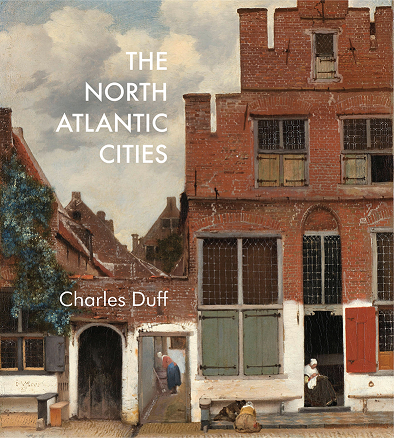
The Boston Society of Architects welcomes planner, teacher, real estate developer and historian Charles B. Duff, to discuss his recent book, The North Atlantic Cities. This is a book on urban development and urban life masquerading as a book on architecture -- the story of four hundred years of architecture and urban development in four countries: the Netherlands, Great Britain, Ireland and the United States. Amsterdam, Delft, Dublin, Glasgow, Edinburgh, Bath, London, New York, Boston, Washington D.C., Philadelphia, Baltimore and Savannah are just a sampling of the cities Mr. Duff explored.
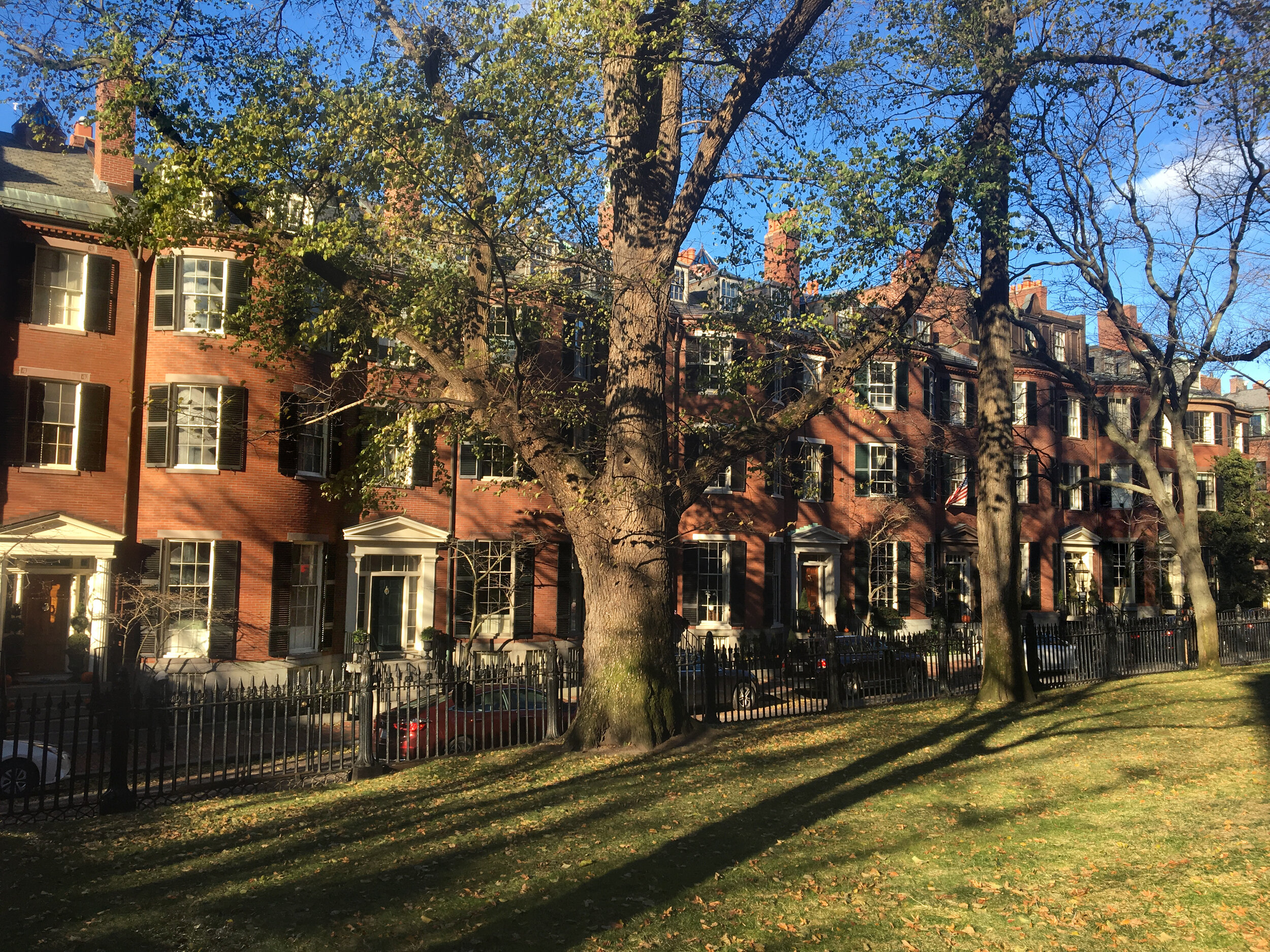
The author focuses on a building type few others have considered – the row house, as a key to understanding why many of the world’s great cities look and function as they do. Informed by 400 years of evolution, this innocuous-seeming housing type may well be the antidote to suburban sprawl, urban decay and the catastrophes of global climate change
Published by The Bluecoat Press, The North Atlantic Cities is available for purchase via www.northatlanticcities.com and a number of bookstores.
In his new book The North Atlantic Cities, Charles Duff tells the story of the world’s row house cities and shows what the people of Baltimore can learn from our sister cities.
Free to all. Register at: https://www.eventbrite.com/e/writers-live-charlie-duff-the-north-atlantic-cities-tickets-120022543659
WYPR’s Tom Hall interviews Charlie Duff about The North Atlantic Cities.
Why do Amsterdam, London, and the Upper West Side have row houses while Paris, Vienna, and Houston do not? This seemingly simple question started Charlie Duff on an exploration of the world’s row house cities. He shares his discoveries in his marvelous book, The North Atlantic Cities, and now in a photo-rich presentation for LW. An engaging storyteller, Charlie introduces us to the early streets of cities in the Netherlands, the British Isles, and the U.S. (especially our “New Amsterdam” row house roots) that grew up together in the centuries after 1600 and shaped the modern world.
$10 for Students, Assoc. AIA, AIA, & DAC Members
$25 for Non-Members
Registration is required.
The Garden City Movement has shaped the best British residential development for more than a century. Baltimore has more good examples of Garden City design and development than any American city. Join Charlie Duff to explore the English movement and the wonderful places where Baltimore architects and developers learned what the Garden City movement had to teach.
https://aiabaltimore.org/event/baltimore-the-home-of-americas-best-garden-cities-charles-duff/
POSTPONED
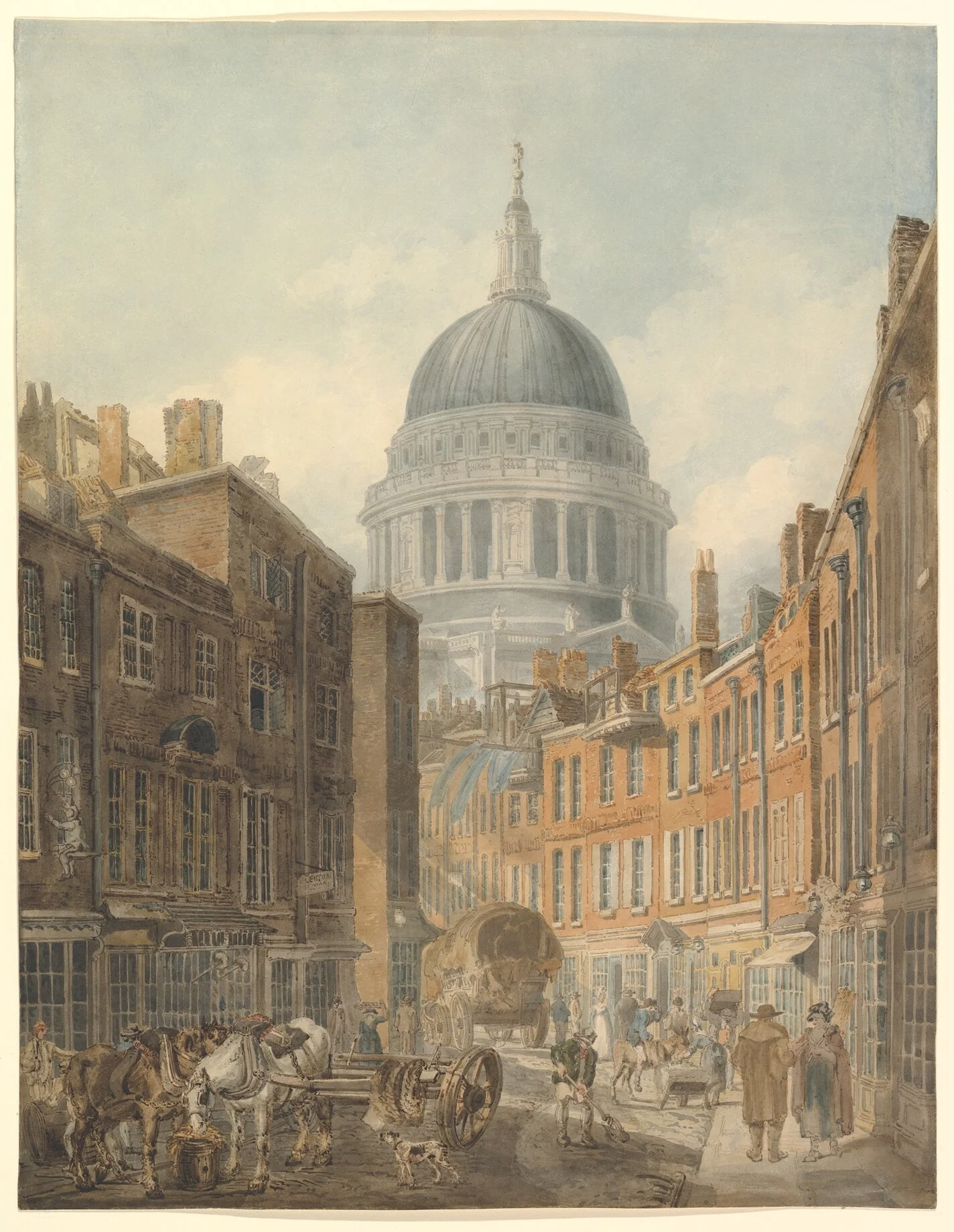
Early in the 19th Century, New York set out to become the American London. In some ways, it achieved, and more than achieved, this objective. But the two cities, though sprung from a common root, grew differently and are very different today. Join us as Charles Duff, author of The North Atlantic Cities, shows how these two great sister cities came to be what they are.
All welcome. Tickets available at: https://www.landmarkwest.org/publicprograms/
Charles Duff, president, Jubilee Baltimore and executive director, Midtown Development
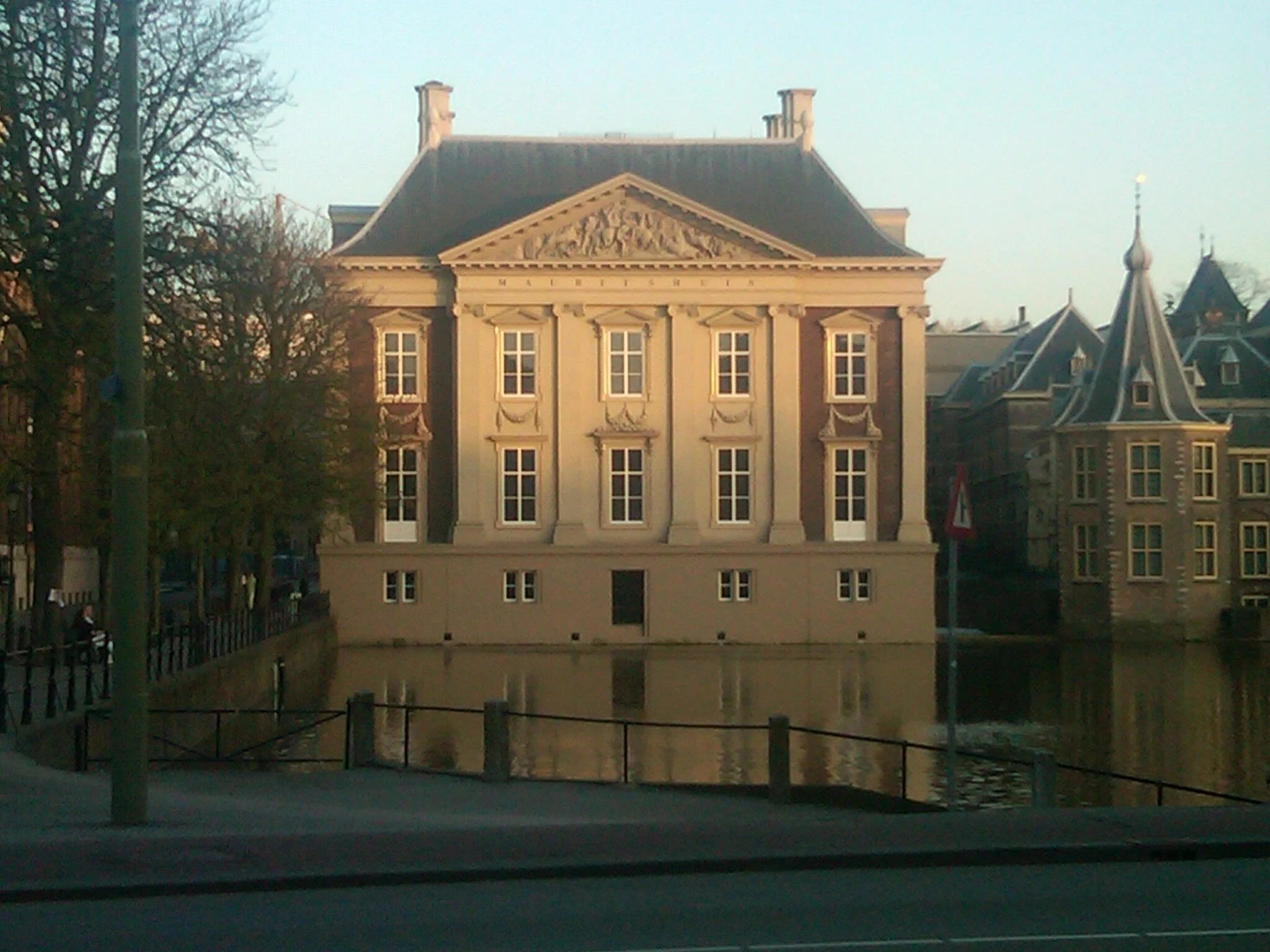
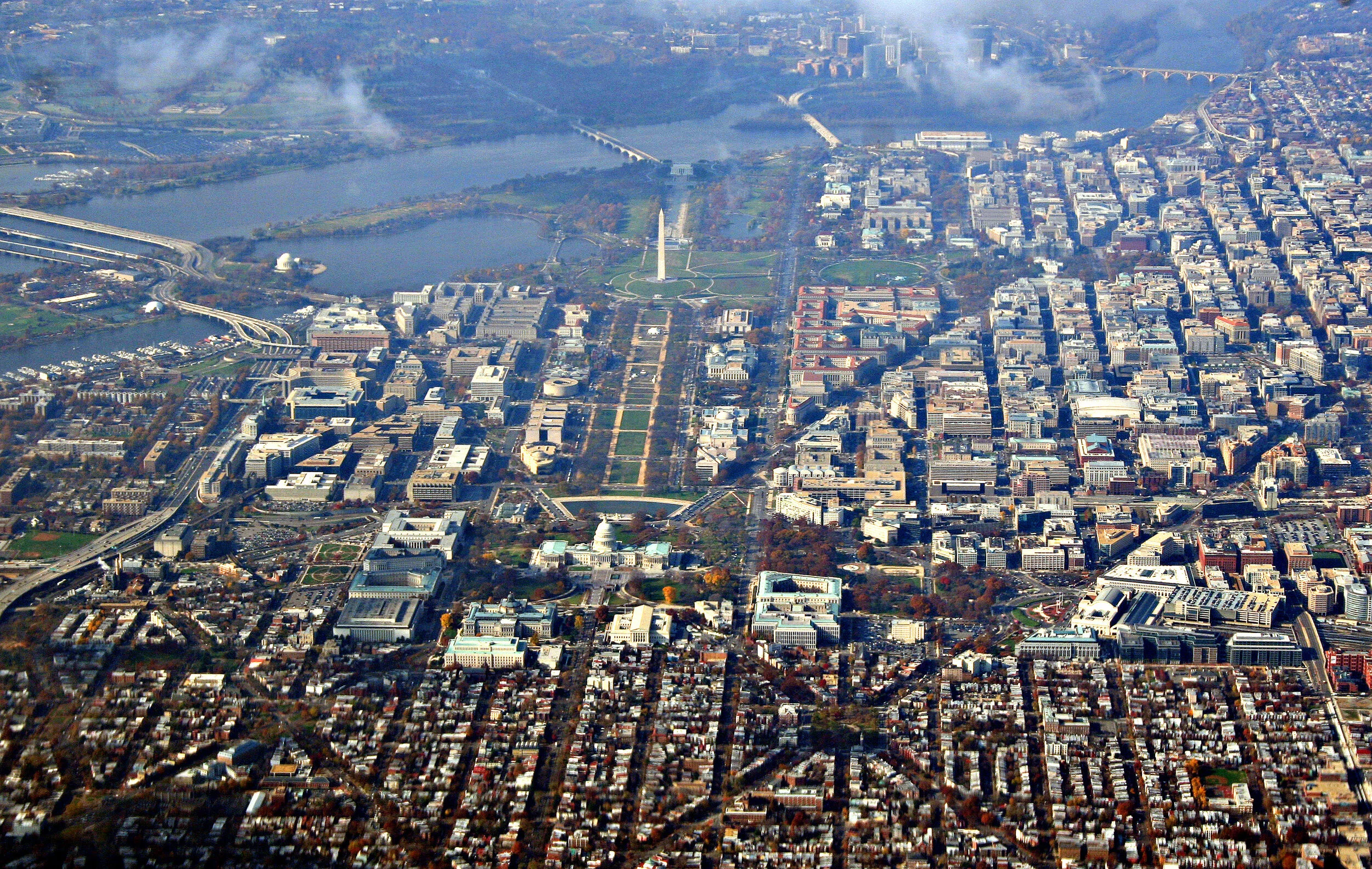
The people of the North Atlantic nations created three national capital cities in the 19th Century: The Hague, Brussels, and Washington. Charles Duff, author of The North Atlantic Cities, puts the development of these cities in the urban context of their nations.
Reception at 6:30. Talk at 7:00. $10 for members; $15 for non-members.
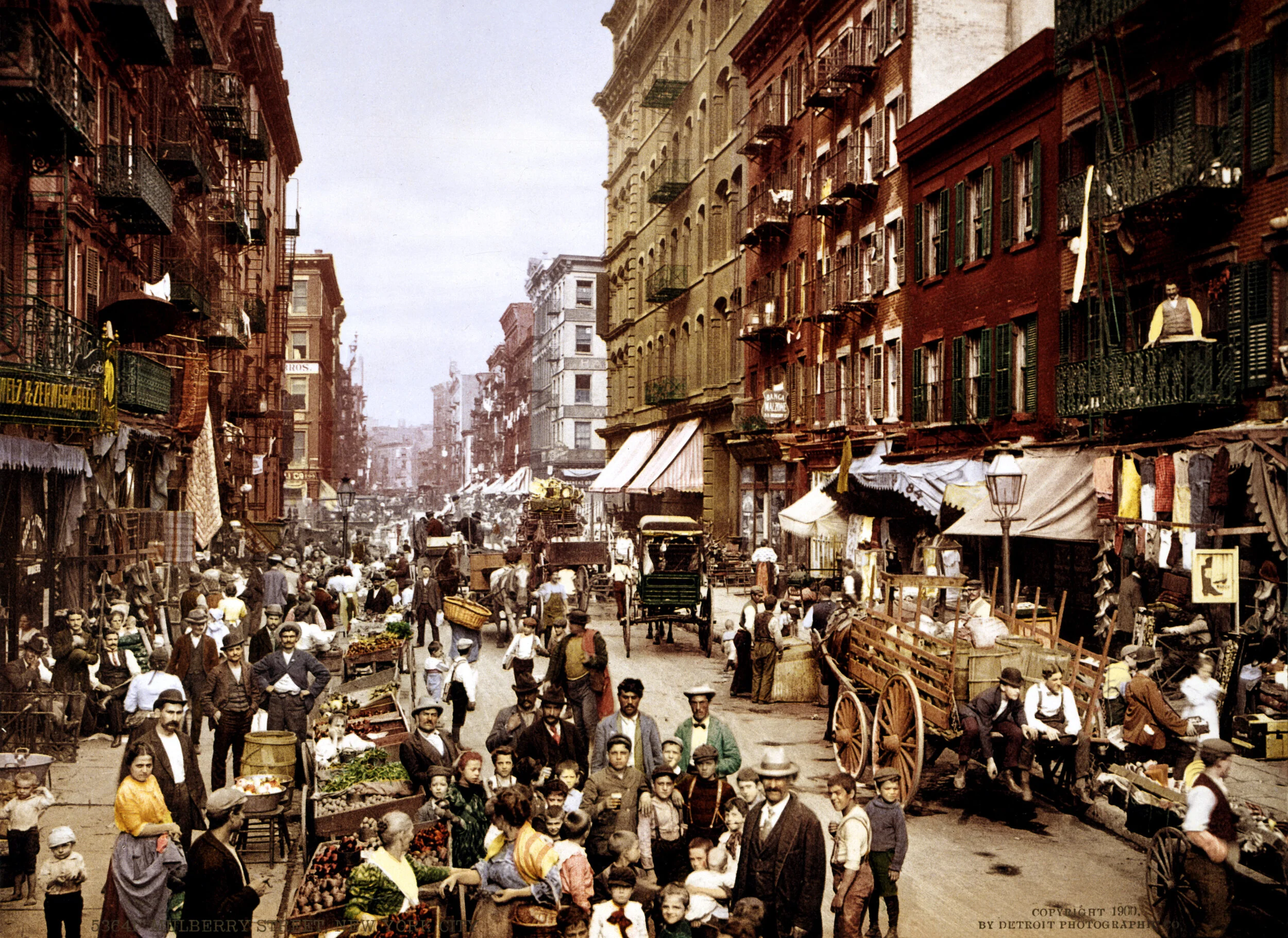
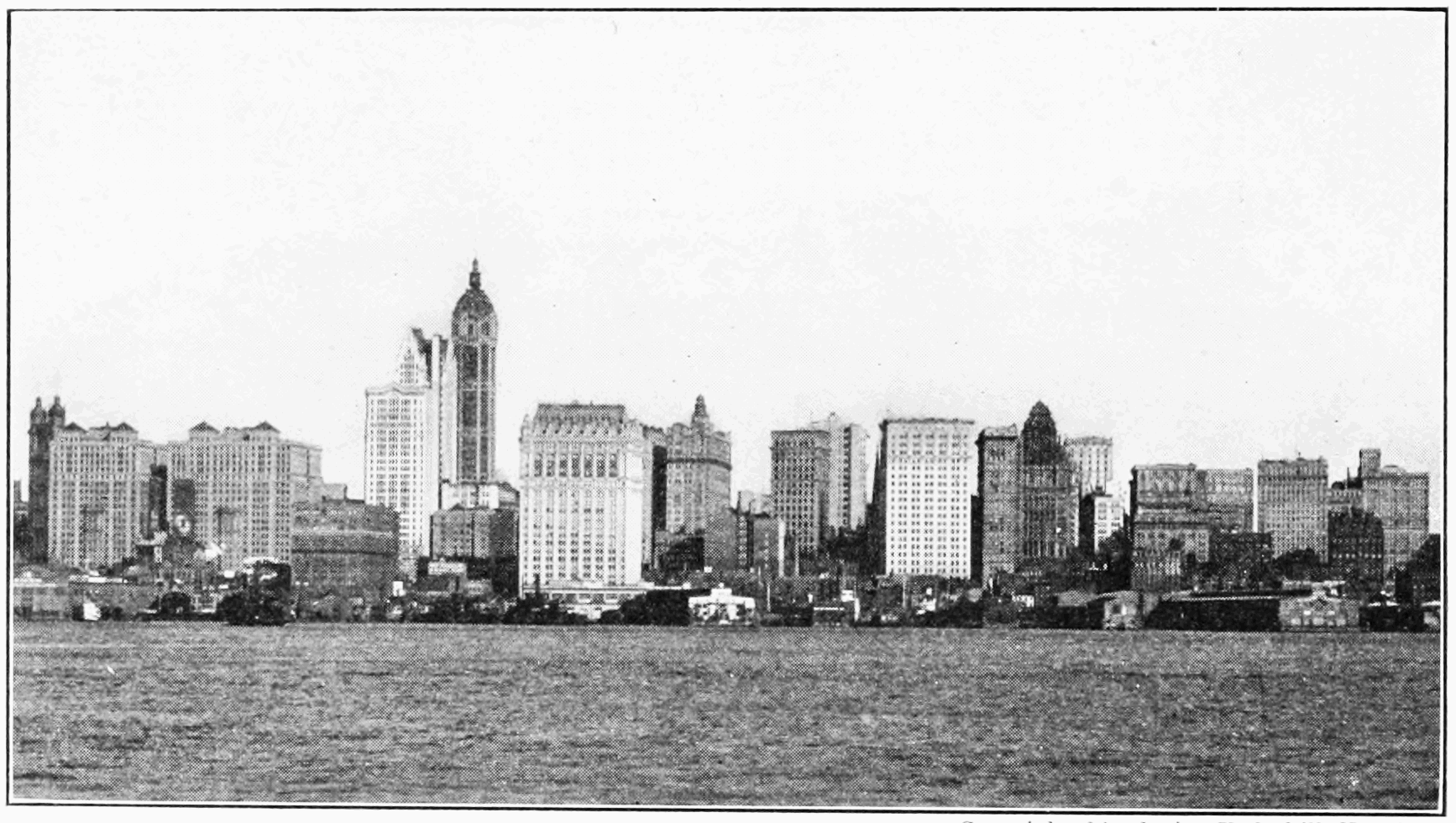
Beginning in the 1820’s, the people of the US and Great Britain created a new kind of urban area. It was a central district where people worked but didn’t live. Londoners called it “The City.” New Yorkers called it “Downtown.” Whatever people called it, every city in the North Atlantic world built one and they attracted the best architects and the biggest construction budgets in each city. Charles Duff, author of The North Atlantic Cities, explains the origin of central business districts and shows how their symbol, the skyline, gave meaning and grandeur to commerce and industry. Free admission.